Basic networking, cryptography, and restconf basics
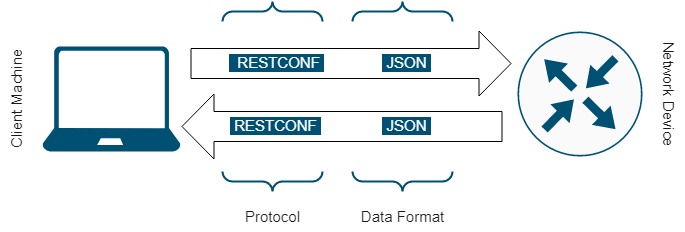
What Is RESTCONF?
Reference video: https://www.youtube.com/watch?v=4VKlplZJBuk&t=348s
CLI to get to network device
NETCONF - remote procedure calls to network calls
XML messages
NETCONF Client -> NETCONF Server + Data Store
RESTCONF is something you typically build atop NETCONF
Ok, I have a general idea of how this works, essentially I want to be able to communicate with network devices through REST API CRUD operations through something like a GUI
What Is Cryptography?
https://www.youtube.com/watch?v=kb_scuDUHls
Cryptography is the art of hiding information, I like that definition
Same key to encrypt and decrypt data is AES encryption
Asymmetric encryption uses a public and private key, encrypt with public key, decrypt with private key.
You cannot get the input from the output in a sha256 hash
sha256 checksum compare to has of what you downloaded so you check your file hadn’t been tampered with
You can use software to check hash of what you downloaded with official checksum to see if you downloaded right file
Can store passwords securely
Symmetric Encryption / Decryption With AES
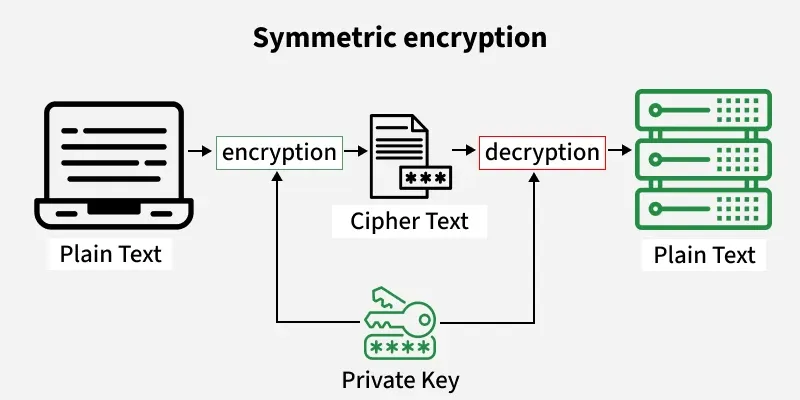
Key: password aes uses to encrypt / decrypt
IV: initialization vector, same size as key, starting part, for every encryption looks different even if the message and key are the same
Mode: how to handle messages longer than one block
Input:
Output
Asymmetric Encryption / Decryption With RSA
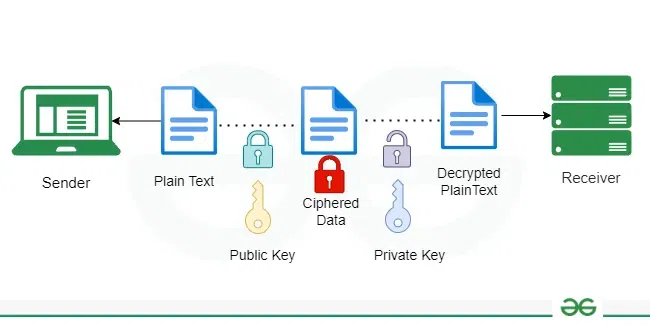
Public + Private Key
Algorithm includes large prime numbers, have RSA Key Generator
Encryption scheme: randomness / padding identical message has different cipher text
Message digest algorithm: hash function
What Is the Difference Between UDP and TCP?
Reference video: https://www.youtube.com/watch?v=uwoD5YsGACg
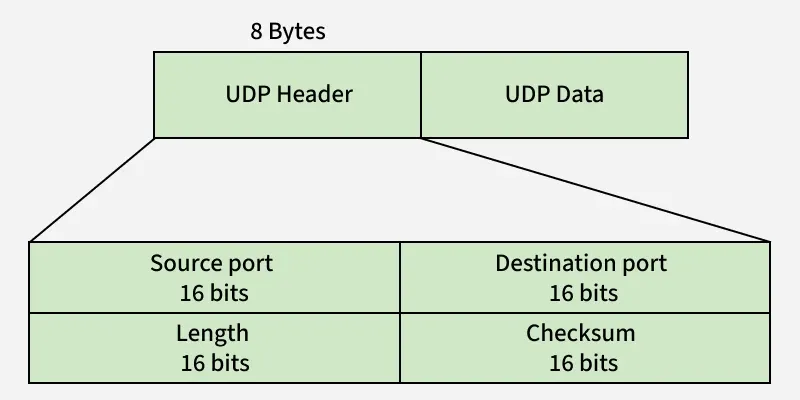
TCP requires a connection to send and receive data, and UDP doesn’t require a connection, UDP is essentially a way to send data and not care if the receiver has received all the data properly.